Alchemist Farm Moss Eggers are coming back for 2026
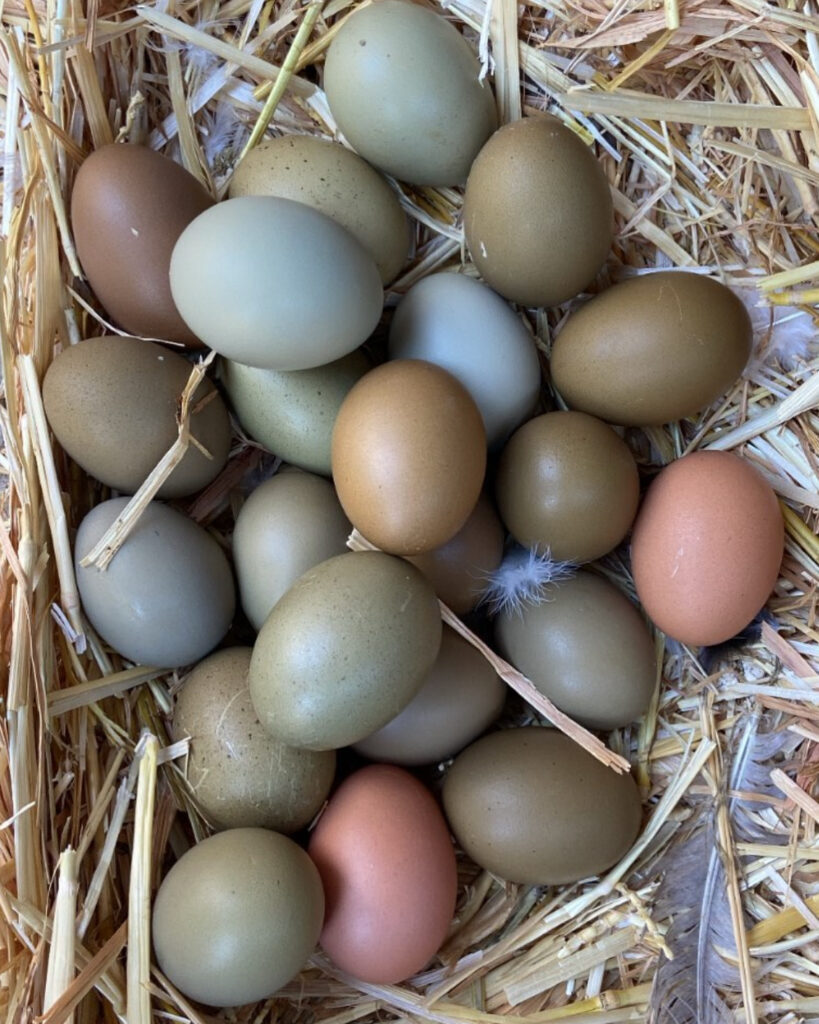
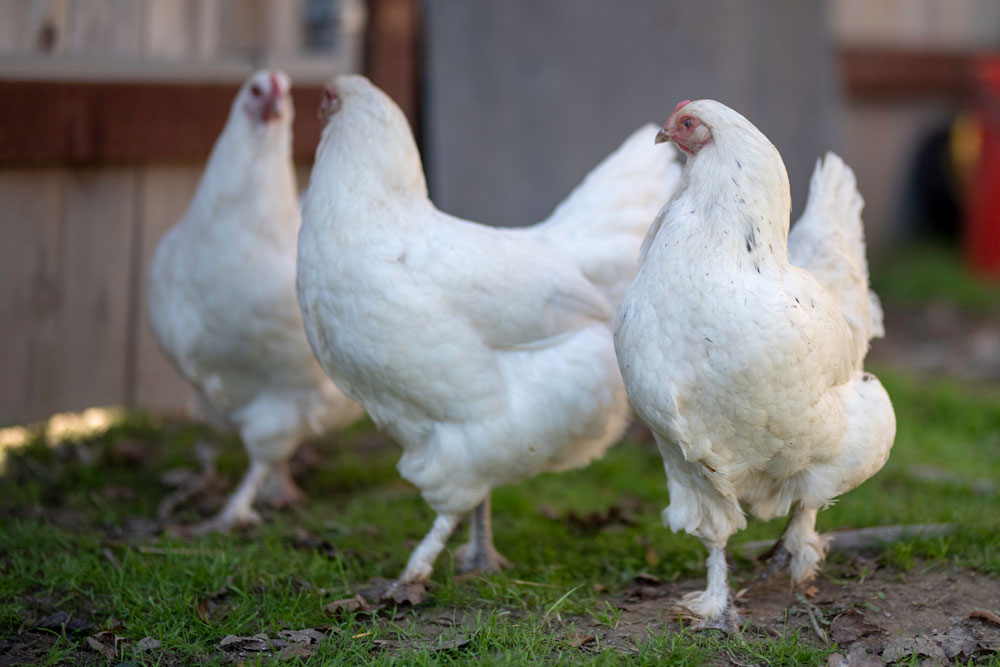 We brought this beautiful and unique line of layers out for sale in 2019 and were overwhelmed by the positive response we received from them. They are given their name for the color of the moss that grows on the oak trees on our land. Not quite green, not quite brown, with interesting flecking and matte feel over the shell of the egg. These chickens provide a fun color to give more depth to your daily egg collecting.
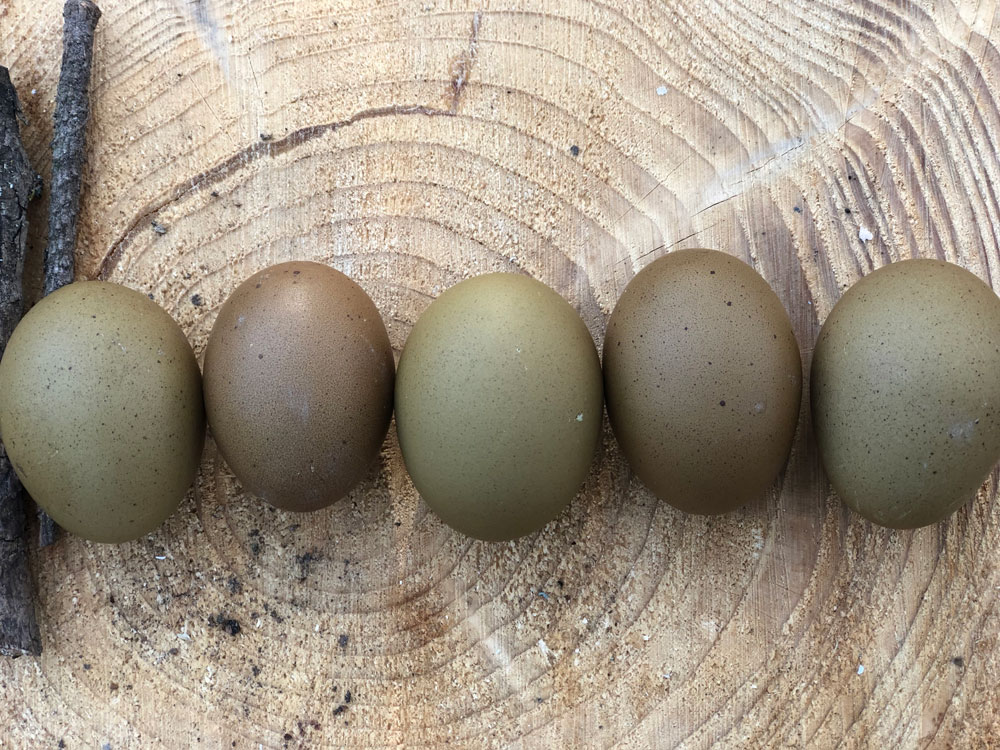
In 2023 we merged our moss eggers with our 2021 group of Coco Eggers to create hens that are laying the unique moss green as well as matte brown like the image below. The 2026 line of moss eggers lay all sorts of earth tones found in a forest hens have an 80% chance of laying a green egg and a 20% chance of laying a hazel brown egg. A group of these birds will lay a stunning and dynamic basket all on their own, each egg being a deep rich saturated color.
Our moss eggers are one of our few breeds that will lay eggs with a gorgeous thick bloom over the top giving the green eggs the illusion of being silver or grey and the brown eggs the illusion of purple or pink.
If you are looking for a for sure bet on green colored eggs, go for our olive eggers. Olive eggers will lay 100% green in a slightly lighter shade then the moss eggers and a darker shade then the sage eggers. 🙂
Quick Breed Stats
Egg Color: Mossy Greens and Mossy Browns
Cosmetic Egg Bloom: Can sometimes have a bloom making the eggs look a totally different shade of silver. Every egg laid has its natural protective bloom
Egg Size: Larger than standard
Egg Texture: matte and smooth.
Egg Production During Spring and Summer: high roughly 5-6 eggs a week.
Meat Production: duel purpose, both males and female have some meat on them.
Heat Tolerance: moderate, these are slightly larger birds that need shelter from extreme heat
Cold Tolerance: very high
Disposition: sweet, communicative, laid back, curious.
Weeks to Maturity: 22
Free Range Ability: high, males are always on the lookout for predators. Females run to shelter if the rooster sounds the predator alarm.
Likelihood They Will Want To Hatch Eggs: moderate
Large, docile, friendly, these are some robust birds that can be used for duel purpose if you are looking to close the loop on your protein sources and grow your own chicken for meat.
Extremely climate resilient, they take high heat and low lows, with the ability to thrive in both snow and desert conditions. If you live in an area of temperature extremes these birds are an excellent match for you.
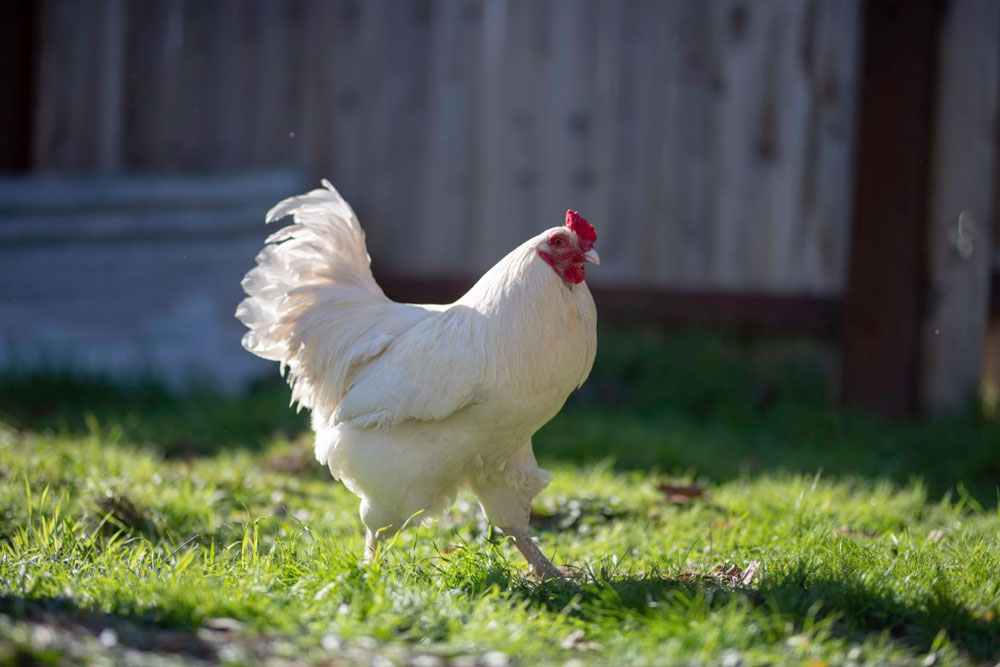
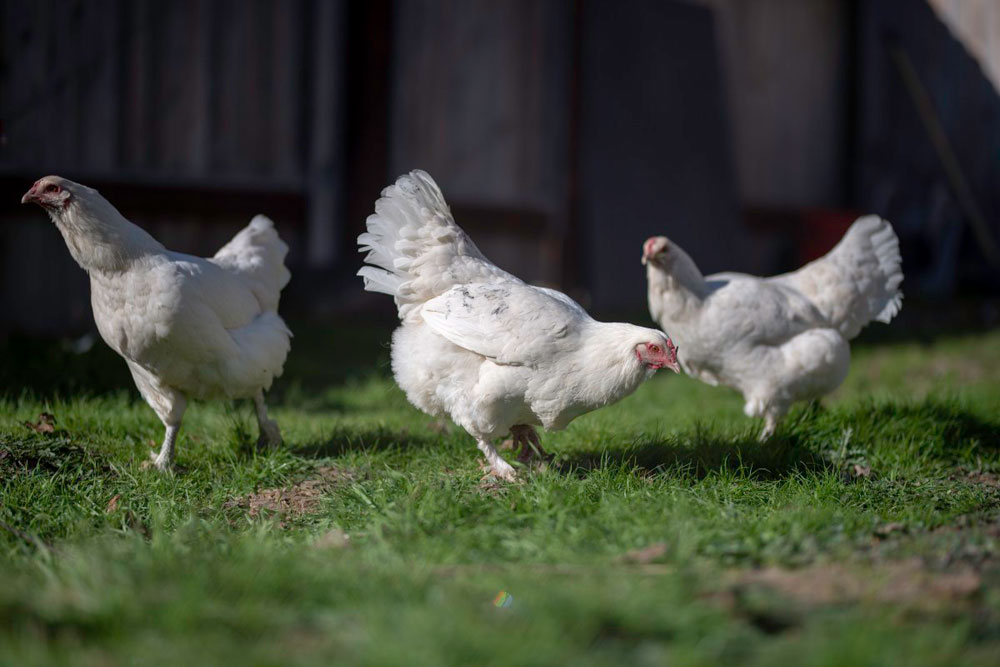 This group is not able to be sexed upon hatch, each chick is sold straight run meaning we cannot guarantee you female chicks.
Straight Run Chicks $17.00 each
Moss Egger
Mossy green eggs and earth-tone variations — named for the oak-tree moss on our land.
Moss Eggers are named for the soft sage-grey moss that grows on the oak trees across our property in Sebastopol. Their eggs are not quite green, not quite brown — a mossy in-between with interesting flecking that reads earth-toned in any egg basket.
In 2023 we merged our 2021 Coco Egger line into this breed, which means today’s Moss Eggers lay across a wider range: about 80% mossy green and 20% hazel brown. Some of our hens also produce eggs with a heavy silver-grey or purple-pink cosmetic bloom — a striking surprise in a daily egg collection.
Quick Breed Stats
| Trait | What to expect |
| Egg color | Mossy green (~80%) and hazel brown (~20%) — earth-tone range per flock |
| Bloom | Some hens produce a heavy silver-grey or purple-pink cosmetic bloom |
| Egg size | Larger than standard |
| Egg texture | Matte to smooth |
| Eggs per week (peak) | 5-6 |
| Time to point of lay | 22 weeks |
| Cold tolerance | Very high |
| Heat tolerance | Moderate — provide shade in extreme heat |
| Disposition | Sweet, communicative, laid back, curious |
| Free-range ability | High |
| Broodiness | Moderate |
| Dual-purpose viability | Yes |
| Climate resilience | Excellent — handles snow and desert with proper shelter |
| Sexing | Straight run only |
What Makes Our Moss Egger Different
- Proprietary Alchemist line — named for the native moss on our oak trees.
- Merged with our 2021 Coco Egger line for genetic diversity.
- Range of eggs: 80% moss green, 20% hazel brown — a true earth-tone basket from one breed.
- Some hens produce eggs with a heavy silver-grey or purple-pink bloom.
- Climate-extreme resilient: handles deep snow and hot desert with appropriate shelter.
- Larger frame makes them dual-purpose viable.
Care Basics
- Standard 3-4 sq ft coop / 10+ sq ft run per hen.
- Excellent free-rangers and confident foragers.
- Cold-hardy — handles snow well.
- In extreme heat, provide deep shade and water access.
Pricing
| Product | Price | Notes |
| Moss Egger straight-run chick | $17 | 50/50 male/female |
Shipping is a flat $70 for up to 25 chicks via overnight USPS Express. Seasonal minimums: 10 chicks March-May and October, 6 chicks June-September. Local farm pickup is free with no minimum (we recommend at least two chicks so none is brooded alone).
Pair Your Moss Egger With
- Olive Eggers — for deeper olive alongside the mossy tones
- Sage Eggers — for softer sage alongside the moss
- Isbar — Isbar are part of the moss-egger lineage
- Heritage Welsummers — for speckled brown to complete the earth-tone palette
Common Questions
How are Moss Eggers different from Olive Eggers?
Olive Eggers lay a deeper, more saturated olive green. Moss Eggers lay a softer mossy green with occasional hazel-brown variants — a more muted, earth-tone palette. Many of our customers keep both for the basket contrast.
Why are some of my Moss Egger eggs brown?
When we merged our Coco Egger line into the Moss Egger line in 2023, the resulting flock now produces about 80% mossy-green and 20% hazel-brown eggs. Every individual hen lays one consistent color across her lifetime; the variation is across the flock.
What does the heavy bloom look like?
On some hens, the natural protective bloom on each egg is unusually thick — making the egg appear silver-grey, dusty purple, or pink until it’s washed. Less than ~15% of our hens lay in these bloom colors.
Are they good for cold climates?
Yes. Moss Eggers handle deep cold and snow well with a draft-free coop. They’ve been one of the most climate-resilient breeds we keep.
| Ready to bring Moss Egger home? |