Educational Information

French Black Copper Marans: The Complete Guide to Chocolate Egg Layers

French Black Copper Marans: The Complete Guide to Chocolate Egg Layers (2026)

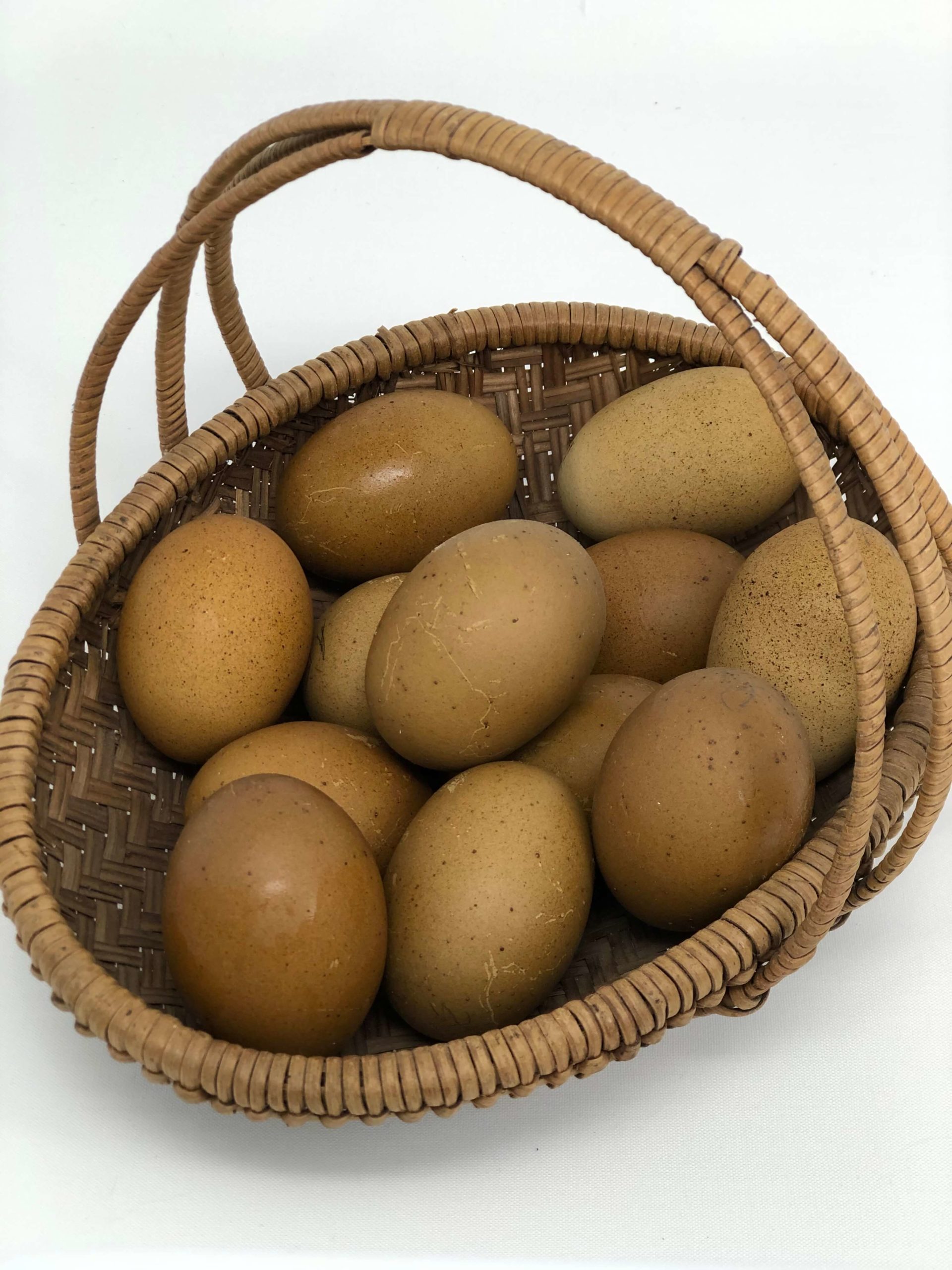
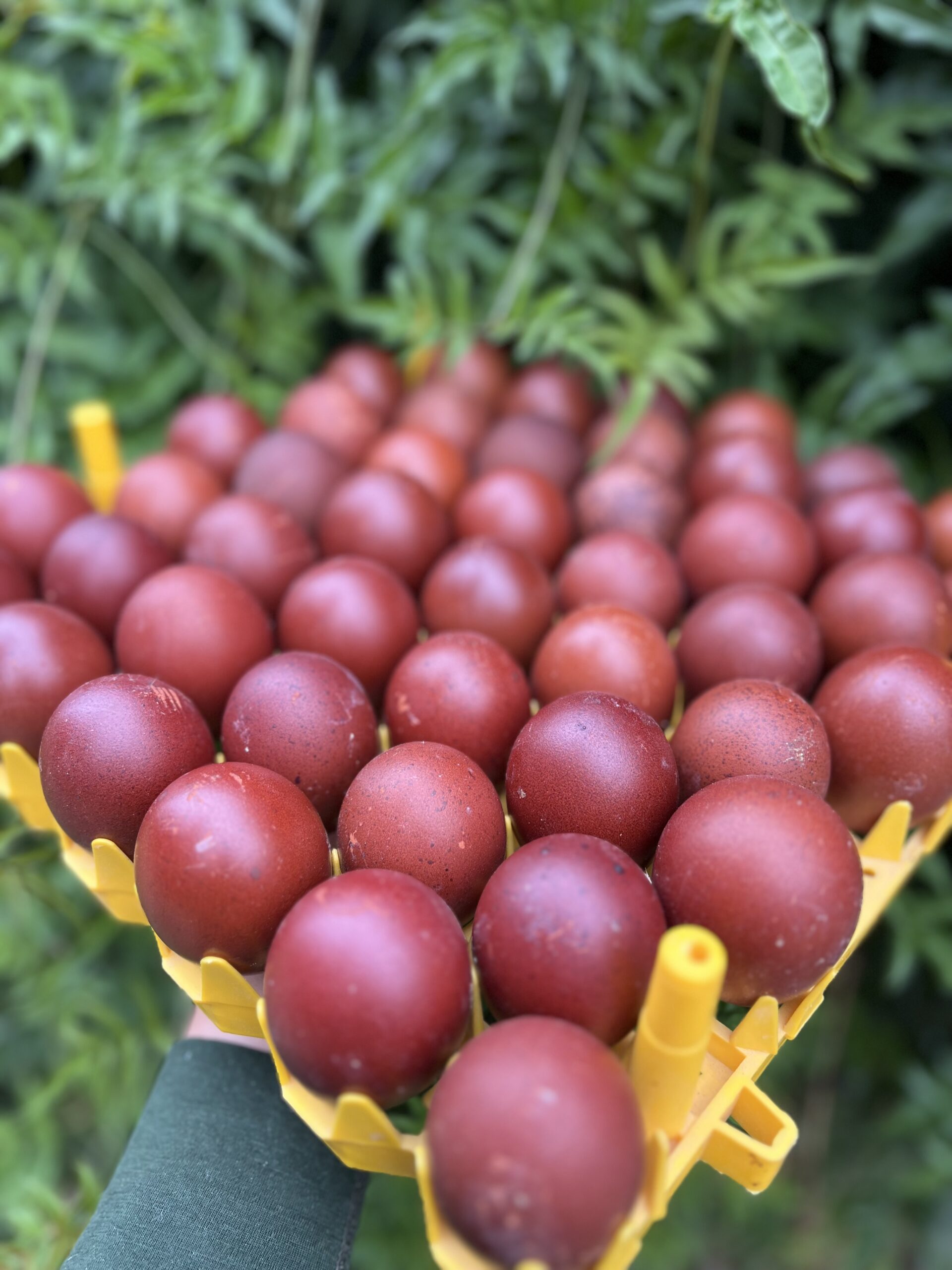
There is a moment, when you crack open your first egg from a French Black Copper Marans hen, that’s hard to forget. The shell is the color of dark cocoa. The yolk that drops into the pan is bright orange — not the pale lemon of a supermarket egg, but a deep, almost-amber dome that holds its shape. You stand there for a second and think: this is what an egg used to look like.

French Black Copper Marans — the breed behind the world’s darkest chocolate-brown eggs — are a chicken keeper’s prize bird. They’re also one of the most misunderstood breeds in the United States. After ten years of carefully refining our Marans line at Alchemist Farm, we’ve watched buyers get sold “Marans” that turn out to be light-brown layers, “French” birds that aren’t actually feather-shanked, and “black copper” birds with no copper at all. This guide is everything we’ve learned about the breed, the egg color chart that defines them, the bloodlines that matter, and how to make sure the chicks you order are the real thing.

In this guide:

  • What is a French Black Copper Marans?
  • The famous Marans egg color chart (and what “a 6” actually means)
  • French vs. American Marans — and why bloodline matters
  • What makes the Alchemist Line different
  • Quick stats: production, temperament, hardiness
  • Care, climate, and the secret to keeping eggs dark
  • Marans vs. Welsummer vs. Olive Egger — the brown-egg comparison
  • Pricing, shipping, and what to expect from a Marans chick
  • Frequently asked questions

What Is a French Black Copper Marans?

A French Black Copper Marans is a heritage chicken breed developed in the town of Marans, on the western coast of France, in the late 19th and early 20th centuries. The breed was prized from the beginning for two things: rich-flavored meat, and dark brown eggs unlike anything other breeds produced. By the 1920s, the Marans had become one of France’s most highly regarded heritage breeds, and it was eventually exported to England, the United States, and beyond.

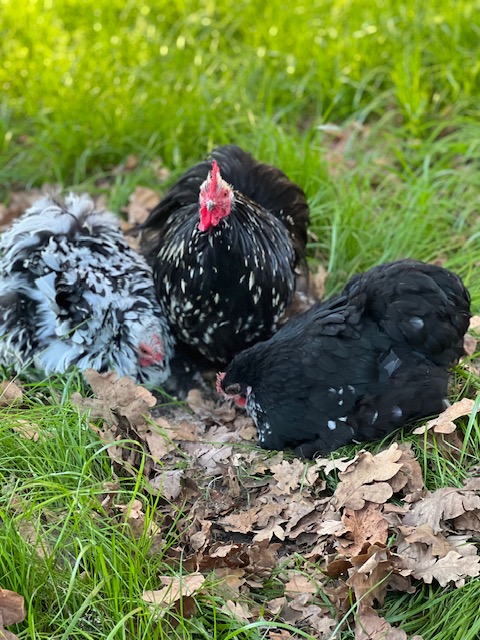
“Black Copper” refers to the bird’s plumage: a dramatic black body with copper-orange feathers cascading down the neck and across the saddle of the rooster. The hens carry a more muted version of the same pattern — black with a copper-tinted hackle. The French part of the name refers to the breed’s defining physical feature: feathered shanks. Genuine French Marans have soft feathers running down the outside of their legs and across the outer toes. American Marans — sometimes called “clean-legged Marans” — have been bred without this trait.

To a backyard keeper, all of this matters less than this: French Black Copper Marans lay the closest thing to a chocolate egg you can find in nature. And no two hens lay exactly the same shade.

The Marans Egg Color Chart Explained

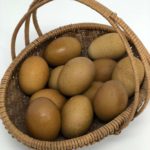
Serious Marans breeders rate every egg using a 1-to-9 color scale developed by the French Marans Club. The scale runs from a 1 (light beige, indistinguishable from any commercial brown egg) all the way to a 9 (the deep, near-black chocolate that earns the breed its reputation). Anything below a 4 is generally considered too light to be called Marans-quality. Premium breeding stock consistently scores 7 or higher.

How to read the scale in plain English:

Score Color name What it looks like in your basket
1 Light beige Indistinguishable from a typical brown supermarket egg. Below Marans standard.
2-3 Caramel Warmer brown, but still well below what a true French Black Copper Marans should produce.
4-5 Milk chocolate The threshold of acceptability. Many “Marans” sold at large hatcheries lay in this range.
6 Dark chocolate Where the breed begins to look like itself. Our Alchemist Farm hens lay at minimum a 6 at peak production.
7-8 Deep cocoa Premium territory. Eggs are visibly darker than any other breed in a mixed basket. Top breeding hens lay here consistently.
9 Black-brown The trophy egg. Achievable, but rare — typically the result of a hen at the start of a laying cycle after a long molt.
What we promise at Alchemist Farm

Our French Black Copper Marans hens lay eggs scoring at minimum a 6 at peak production, with the majority of our flock laying 7s and the occasional hen producing an 8. After ten years of selective breeding, we’ve stopped accepting birds into our breeding program that score lower.

A bonus you might find in your basket

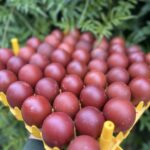
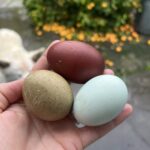
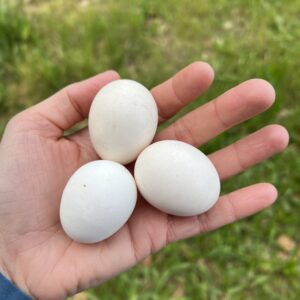
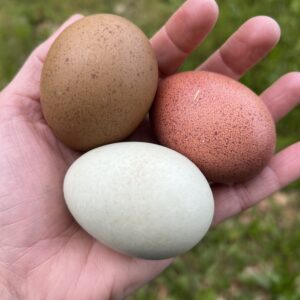
Every chicken egg comes with a natural protective layer called the bloom, laid down at the very end of the egg’s formation. On most breeds the bloom is barely visible. On our Marans, less than 10% of our adult hens grow up to produce eggs with an especially heavy bloom — and when they do, the result is a stunning egg that reads as purple, pink, or plum until you wash it. We can’t predict which chicks will become heavy-bloom layers. It’s a small lottery you opt into when you buy Marans from us, and customers tell us those eggs are the favorite ones in the basket.

French vs. American Marans — and Why Bloodline Matters

This is the conversation most hatcheries skip. There are, broadly, three kinds of birds being sold as “Marans” in the United States today:

  • Production-line American Marans. Bred for volume, not color. Clean-legged (no feather on the shanks). Eggs typically rate a 3-5. Sold cheaply by large hatcheries. These are not really Marans in the European sense — they’re a generic brown layer with the name attached.
  • French Black Copper Marans. The real thing. Feathered shanks, copper expression in the neck, careful breeding for egg color. Eggs rate 5-8 depending on the breeder. This is what serious Marans keepers want.
  • Alchemist Line French Black Copper Marans. Our own line, refined over a decade. Eggs rate a minimum 6 at peak production. We select for color depth, temperament, and a small but meaningful copper expression in the hens — 90% of our girls have neck copper. We treat this line as our highest-investment breeding program on the farm.

If you’re paying premium Marans pricing, you should be getting feather-shanked, copper-necked, dark-egg-laying birds. If a hatchery can’t show you photos of their parent flock — or won’t tell you the egg color scores their hens hit — keep looking.

What Makes the Alchemist Line Different

We started breeding French Black Copper Marans in 2015. The first few years, like any honest breeder, we kept some birds we shouldn’t have and lost some birds we should have kept. We tinkered. We brought in fresh genetics from out-of-state breeders we trusted. We culled — meaning we removed from our breeding flock — every hen whose eggs didn’t meet our color standard. We let the boys who carried the best body type, temperament, and feather expression sire the next generation, and over time, the flock got very good.

The 2026 Alchemist Line is the product of those ten years. Specifically, what you’re getting from us:

  • Egg color: At least a 6 on the Marans chart at peak production. Most hens score 7s. Occasional 8s.
  • Copper expression: 90% of our females show a copper-orange flush in the neck — a sign of properly maintained Black Copper genetics.
  • Body and feathering: All birds feather-shanked, with feathers running down the outside of both legs and across the outside toes — the French Marans hallmark.
  • Temperament: Sweet, calm, communicative. Our hens come when called. Our roosters guard the flock with attentive but non-aggressive vigilance.
  • Production: 4-5 eggs per week per hen at peak (spring and summer). The slightly lower count than commercial layers is the trade-off for the deep color — dark eggs take longer to pigment as they pass through the hen.
  • Genetic diversity: Our 2026 line introduces fresh blood from out-of-state lines we hand-selected, meaning if you’ve bought our Marans before, your new chicks will be genetically distinct from older flockmates.

French Black Copper Marans Quick Stats

Trait What to expect
Egg color Dark chocolate brown (Marans chart 6+ from Alchemist Line)
Bloom variation ~10% of hens lay with a purple/pink/plum bloom
Egg size Larger than standard
Egg texture Shiny and smooth — visibly different from a matte brown egg
Eggs per week (peak) 4-5
Eggs per year (mature hen) 180-220
Time to point of lay 22 weeks (sometimes 24)
Adult hen weight 6.5-7.5 lbs
Cold tolerance Very high
Heat tolerance Moderate — provide shade and deep water in extreme heat
Free-range ability High — roosters are attentive guards, hens respond to alarm calls
Disposition Sweet, communicative, laid back, curious
Broodiness Moderate — some hens will set on eggs
Predator awareness Very high
Dual-purpose viability Yes — slightly larger frame than pure egg breeds
Beginner friendly? Yes — calm and forgiving
Sexable at hatch? No — sold as straight run (50/50 male/female odds)

Care, Climate, and the Secret to Keeping Eggs Dark

Disposition and handling

French Black Copper Marans are one of the most agreeable rare breeds we keep. The hens are calm, easy to handle, and tolerate children once they’ve grown up around them. The roosters — and we keep ours, because every male chick born here is valued — are watchful but not aggressive. Ours have never attacked a person. They guard the hens, sound the alarm for predators, and give the girls first crack at every treat. If you’ve been intimidated by rooster behavior in the past, this is the breed to reset that opinion.

Space and housing

Plan on 3-4 square feet of coop space and 10+ square feet of run space per Marans hen. They’re slightly larger than a typical layer and do not love being crowded. The feathered shanks need to stay reasonably dry — Marans don’t enjoy standing in mud or soggy bedding, and chronically wet feet can lead to foot problems. A well-drained run with deep dry bedding is ideal.

Climate

These birds handle cold weather beautifully. Their heavier frame and dense feathering make them comfortable well below freezing. Hot climates require slightly more management — provide deep shade, shallow water for foot-cooling, and resist heavy scratch grains in summer (high-carb foods make heat regulation harder).

Feed

Standard 20% protein chick crumble through 18 weeks, transitioning to a 16-17% protein layer feed. Marans don’t need anything exotic. We use Scratch and Peck Feeds and you can use our discount code Alchemist15 for 15% off. Egg color is influenced by nutrition — hens under nutritional stress produce lighter eggs — so steady access to quality feed and clean water matters.

The secret to keeping eggs dark over time

Here’s something most Marans buyers don’t realize until their second year: every individual hen lays her darkest eggs at the start of a laying cycle, and the color gradually lightens over weeks of continuous laying. After a hen takes a rest — usually triggered by a molt or by shorter winter daylight — her color resets to its deepest. So if you want consistently dark eggs:

  • Let your hens molt naturally each fall. Don’t extend daylight artificially.
  • Don’t push for maximum production. A hen laying 6 eggs a week will produce lighter color than a hen laying 4.
  • Feed for shell quality — calcium-rich oyster shell available free-choice, plus good gut health support.
  • Expect color variation across the year. Late-summer eggs will be lighter than mid-spring eggs. This is the breed working correctly, not failing.

Brooder basics for Marans chicks

Marans chicks are noticeably hardy. They feather in slowly compared to lighter breeds — give them an extra week of supplemental heat compared to what you’d offer an Olive Egger or Easter Egger. For the full first-six-weeks protocol, see our New Chicken Keepers guide. The short version: 100-105°F under the heat source for the first few days, large pine shavings (never cedar), warm 98°F drinking water on day one, and never let the chicks run out of water.

Marans vs. Welsummer vs. Olive Egger — the Brown-Egg Showdown

Three breeds we keep all lay brown(ish) eggs, but the result in your basket is wildly different. Here’s the side-by-side:

French Black Copper Marans Welsummer Olive Egger
Egg color Dark chocolate (Marans chart 6+) Terra cotta brown, often heavily speckled Olive green (brown pigment over blue shell)
Eggs per week (peak) 4-5 4-5 5-6
Size Larger than standard Standard Larger than standard
Body Heavy, feather-shanked Standard, clean-legged Heavy, marans-leaning
Disposition Calm, sweet, laid back Friendly, active, talkative Calm, sweet, laid back
Best for Deepest possible egg color, premium look Speckled novelty + good production Green eggs from a brown-egg-style hen

The honest answer: if you want one breed that will be the showpiece of your basket, get Marans. If you want a basket that’s a conversation — multiple shades, multiple speckle patterns — get all three. (And throw in a blue-egg layer for the contrast.) For the full green-egg breakdown, see our complete Olive Egger guide.

French Black Copper Marans Pricing and What to Expect

Marans are sold straight run — which means they cannot be reliably sex-identified at hatch. Each chick has a 50/50 chance of being male or female. Many keepers buy 4-6 Marans chicks at a time, knowing they’ll likely end up with 2-3 hens once the boys are identified at around 8-12 weeks of age.

  • Individual unsexed Marans chick (Alchemist Line): $35
  • French Blue Copper Marans (a related blue plumage variant): see breed page
  • Marans fertile hatching eggs: available seasonally — see active product listing

Shipping is a flat $60 for up to 75 chicks, always overnight USPS Express. Seasonal minimums apply: 10 chicks per box March-May and October, 6 chicks per box June-September. Local pickup at our farm in Sebastopol, CA is free with no minimum. Pre-orders for the 2026 season are open now; weekly shipments begin March 24.

Ready to add Marans to your flock?

Our 2026 Alchemist Line French Black Copper Marans are available now — and our breeding program is at the best place it’s been in a decade. See current Marans availability →

Why Buy French Black Copper Marans from Alchemist Farm?

Marans are sold by dozens of hatcheries. Most of them don’t deserve the breed name. Here’s what makes our hatchery different:

  • Ten years of selective breeding. Our 2026 line is the cumulative result of a decade of careful selection for egg color, temperament, and copper expression.
  • No male chicks are killed. Every chick born here is valued — males included. At industrial hatcheries, male Marans chicks are typically culled in the first 24 hours. We don’t do that. Read more about 
  • our humane breeding practices.
  • 100% solar-powered hatchery, plastic-free shipping. Our incubation rooms and brooders run on solar energy. Every chick box is plastic-free.
  • Photo-verified breeding flock. Our parent birds and a representative sample of their eggs are documented on the breed page. You can see exactly what you’re buying into.
  • Family-owned, small-batch. Franchesca and Ryan Duval and their two children operate the farm in Sebastopol. We hatch in small enough batches that every chick gets attention.

Frequently Asked Questions

How dark are Alchemist Farm Marans eggs?

Our hens lay eggs that rate at minimum a 6 on the standard Marans egg color chart at peak production. The majority of our flock lays 7s, and we occasionally see 8s. We consider a hen who lays below a 6 a candidate for removal from our breeding program.

Are French Marans different from regular Marans?

Yes. French Marans are feather-shanked — they have feathers running down the outside of their legs and across the outside toes. American or clean-legged Marans lack this trait. The French Black Copper Marans is also bred more carefully for egg color than most American production-line Marans.

Why are some of my Marans eggs purple or pink?

Some of our hens grow up to produce eggs with an especially heavy bloom — the natural protective coating laid on the outside of every egg. The heavy bloom can make the egg appear purple, pink, or plum until it’s washed. Less than 10% of our hens lay in this color, so it’s a small lottery you opt into when you order Marans chicks from us.

How many eggs do Marans lay per week?

At peak production (spring and summer), our hens lay 4-5 eggs per week. The slightly lower count than commercial layers is the trade-off for the deep egg color — dark eggs take longer to pigment as they pass through the hen.

Why are my Marans eggs lighter than they were last month?

This is normal. Every Marans hen lays her darkest eggs at the start of a laying cycle, and the color gradually lightens with continuous laying. After a hen molts and rests, her color resets to its deepest. Late-summer eggs are typically lighter than spring eggs. This is the breed behaving correctly.

Are Marans good for beginners?

Yes. They’re calm, hardy, and forgiving. The main caveat for beginners is that Marans can’t be sex-identified at hatch, so you need to budget for the possibility of getting roosters in your order. If keeping a rooster isn’t an option for your situation, plan to order extra so you end up with the number of hens you want.

Can I keep Marans with my other chickens?

Yes. Marans integrate well with mixed flocks. Their calm temperament means they’re rarely the bird stirring up trouble in a chicken yard.

Do Marans roosters crow loudly?

Less than many breeds. Our Marans roosters have a deeper, less frequent crow than smaller birds. They are still roosters, however — check your local ordinances before keeping one.

How long do Marans live?

With good care, French Black Copper Marans typically live 6-8 years, with peak laying in years 2-4.

Are Marans dual-purpose?

Yes. They’re slightly larger than pure egg breeds and have respectable meat conformation. Heritage poultry keepers often raise the cockerels for the table.

Can I hatch eggs from your Marans?

We sell fertile Marans hatching eggs seasonally. If you incubate them, the resulting chicks will carry the Alchemist Line genetics. Hatch rates depend heavily on incubation technique, freshness, and shipping conditions if mailed.

Do you ship Marans nationwide?

Yes. We ship to all 50 states, including Alaska, Hawaii, and Puerto Rico, via overnight USPS Express. Seasonal minimums apply — 10 chicks per box March-May and October, 6 chicks per box June-September — to protect chicks during travel.

Bring Marans home this spring

Ten years of careful breeding, photographed parent flock, dark chocolate eggs you can score on the Marans chart — and chicks raised in a hatchery where every life is valued. Browse 2026 Marans availability → Or see our French Blue Copper Marans for the same egg color in a blue-feathered bird.


alchemist_farmFrench Black Copper Marans: The Complete Guide to Chocolate Egg Layers
read more

Olive Egger Chickens: The Complete Buyer’s Guide

Alchemist Farm Olive Egger Chickens: The Complete Buyer’s Guide

If you’ve been searching for an olive egger chicken, the breed that lays those gorgeous olive-green
eggs every chicken keeper seems to want, you’ve probably noticed something strange: every hatchery
describes them a little differently. Some sell “olive eggers” that lay khaki. Some sell birds that don’t even
hatch a green egg until the second generation. Some skip the genetics conversation entirely.

That’s because olive egger isn’t a recognized breed. Its a cross, and like every cross, the result
depends entirely on the breeder. After more than a decade of hatching olive eggers at Alchemist Farm,
we’ve watched the term get stretched, marketed, and occasionally mangled. This guide is our attempt to
give you a single resource that covers what an olive egger really is, what to expect in your egg basket,
how to care for one, and how to make sure the chicks you order are the real thing.
In this article:

• What is an olive egger chicken?
• What color eggs do olive eggers actually lay?
• 1st generation vs. 2nd generation olive eggers (the genetics, simplified)
• Temperament, hardiness, and egg production
• How to tell a real olive egger from a marketing label
• Olive Egger vs. Easter Egger vs. Sage Egger — a side-by-side
• Care and brooder setup
• Where to buy ethically raised olive egger chicks
• Frequently asked questions
What is an Olive Egger Chicken?

An olive egger is a hybrid chicken bred specifically to lay olive-green eggs. To create one, you cross a
brown-egg-laying breed (typically a Marans or Welsummer) with a blue-egg-laying breed (typically an
Azure egger,  Isbar.

The genetics are surprisingly simple. The blue pigment in a chicken egg is laid down at the very start of
the egg’s formation, all the way through the shell. The brown pigment is laid down at the end, like a coat
of paint over the outside. When you combine a hen that produces blue interior pigment with a rooster
carrying brown-pigment genetics, the offspring’s eggs come out blue on the inside and brown on the
outside — and the human eye reads that combination as olive green.

Because the cross can be made many different ways, no two olive egger flocks are identical. At
Alchemist Farm, our olive eggers lean heavily on the Marans side — which gives them the larger frame,
the calm temperament, and the deeper olive shade that we’ve been selecting for since 2015.

What Color Eggs Do Olive Eggers Actually Lay?

The answer is: it varies. 🙂 An olive egger hen lays eggs in a range that can shift from a deep
moss green to a softer khaki, depending on:

• The parent breeds used in the cross. Marans × Ameraucana tends to produce deeper olives.
Welsummer × Legbar tends toward a brighter green.

• Generation. First-generation (F1) olive eggers usually lay the most consistent green. Second and
third generations can drift toward either parent color.

• The individual hen. Even sisters from the same hatch can lay slightly different shades. This is
normal.

• The egg’s bloom. The bloom is a natural protective coating laid on the outside of every egg as
it’s laid. On olive eggs, the bloom often appears as a silvery or dusty finish that makes the egg
look like a totally different color until you wash it.

• Where she is in her laying cycle. Most hens lay slightly lighter eggs toward the end of a long
laying stretch, then return to a deeper color after a rest.

If you want guaranteed deep-olive eggs every time, no hatchery in the world can promise it. What we
can promise is that our olive eggers come from breeding stock selected over multiple generations for
color depth and consistency.

1st Generation vs. 2nd Generation Olive Eggers

This is the part most hatcheries don’t explain well, and it’s the single biggest reason buyers feel
disappointed by olive eggers they bought elsewhere. The generation matters.
First-Generation Olive Eggers (F1)
A first-generation olive egger is the direct child of a brown-egg parent and a blue-egg parent — usually a
Marans hen mated to an Ameraucana rooster, or the reverse. Because each parent contributes exactly
one copy of the relevant genetics, F1 hens are the most reliable green-egg layers in the cross. At
Alchemist Farm, our F1 olive eggers carry a heavy Marans body type with subtle Isbar facial features —
they’re large, calm, sweet, and beautiful.
Second-Generation Olive Eggers (F2)

A second-generation olive egger is the result of crossing two F1 olive eggers together, or back-crossing
an F1 to one of the parent breeds. F2 hens often lay a darker olive than F1s — which sounds great until
you realize that some of the F2 chicks will inherit the recessive copy of the blue-egg gene from both
parents, and others will inherit none. The result is a flock where some hens lay deep olive, some lay
khaki, and a few lay plain brown. If a hatchery advertises “F2 olive eggers” without explaining this, ask
questions.

Quick rule of thumb
If you want predictability, buy F1. If you want a chance at the deepest possible olive — and you're
okay with some variation across your flock — F2 is the answer. We breed and clearly label both at
Alchemist Farm so you know exactly what you’re getting.

Olive Egger Quick Stats
Trait What to expect
Egg color Olive green (range: deep moss to khaki, occasional silver bloom)
Egg size Larger than standard
Eggs per week (spring/summer peak)5–6
Eggs per year (mature hen) 200–250
Time to maturity ~22 weeks
Adult hen weight 6–7 lbs
Cold tolerance Very high
Heat tolerance Moderate (provide shade and shallow water in extreme heat)
Temperament Sweet, curious, communicative, laid back
Free-range ability High — alert flockmates, responsive roosters
Broodiness Moderate — some hens will try to hatch eggs
Predator awareness Very high — see our Predator Aware Breeds collection
Beginner friendly? Yes — one of the easiest rare breeds to keep
Temperament, Care, and What to Expect in Your Backyard
Of all the rare breeds we keep at Alchemist Farm, olive eggers are among the easiest to recommend to
first-time chicken keepers. They’re large enough to handle confidently, calm enough to win over nervous
children, and hardy enough to forgive most beginner mistakes. Here’s what you can expect:

Disposition
Our olive egger hens follow people around, talk to you while you garden, and tolerate handling once
they’re used to it. The roosters — and we keep ours rather than culling them, like every male chick born
here — are watchful but not aggressive. They sound the alarm when a hawk passes overhead, and the
hens dive for shelter the moment they hear it.
Space and housing
Plan on 3-4 square feet of coop space and 10+ square feet of run space per olive egger. They’re larger
than average laying hens and don’t love being crowded. They do well in cold climates — their Marans-
heavy build handles freezing temperatures without trouble — but in regions with prolonged 95°F+ heat,
provide deep shade, shallow water for foot-cooling, and resist the urge to over-feed scratch grains.
Feed
Standard 20% protein chick crumble through 18 weeks, then transition to a 16-17% protein layer feed.
We’ve had excellent results with Scratch and Peck Feeds and you can use our discount code Alchemist15 for 15% off.

Olive eggers respond particularly well to gut-health supplements like the Better Flock probiotic line — gut health drives both feather quality and egg-color consistency.

Brooder basics for olive egger chicks
If you’re new to brooding, our full New Chicken Keepers guide covers heat, bedding, and the first six
weeks in detail. The short version: 100-105°F directly under the heat source for the first few days, large
pine shavings (never cedar — toxic), 98°F drinking water on day one, and never let the chicks run out of
water. Olive egger chicks are notably hardy travelers, but the first 48 hours after arrival are still when
most loss happens — so be home, be calm, and follow the protocol.

How to Tell a Real Olive Egger From a Marketing Label
Because “olive egger” isn’t a standardized breed, anyone can use the name. Here’s how to vet a
hatchery before you spend $20-35 on a chick that may not lay what you’re hoping for:

• Ask which breeds are in the cross. A real olive egger breeder will rattle off the answer —
Marans × Ameraucana, or Welsummer × Cream Legbar, etc. If the hatchery is vague (“various
brown and blue egg breeds”), be cautious.
• Ask which generation you’re buying. F1 means more consistent color. F2 means a wider color
range. A serious breeder will tell you which they offer and label them separately.
• Ask to see photos of the parent flock — and the eggs. Reputable hatcheries post photos of
their breeding birds and a representative egg sample. Stock images of someone else’s eggs are a
red flag.
• Ask how they handle male chicks. At industrial hatcheries, male chicks are killed within 24
hours of hatching. At ours hatchery when have never and will never kill a male chick upon hatch, every chick is valued. This isn’t a small thing.
• Ask about shipping practices. Olive egger chicks ship beautifully when packed with care —
overnight USPS Express, gel hydration, climate-monitored timing. Hatcheries that ship in volume
often lose chicks in transit. Smaller batches survive better.

Olive Egger vs. Easter Egger vs. Sage Egger

These three breed names get confused constantly. Here’s the difference in one table:

Olive Egger Easter Egger Sage Egger
Egg color Deep olive to khaki green Blue, green, pink, cream — varies per hen Soft seafoam / sage green (lighter than olive)
Parent breeds Brown-egg breed (Marans, Welsummer) × Blue-egg breed (Ameraucana, Legbar) Any chicken carrying one copy of the blue-egg gene; not standardized Alchemist Farm proprietary cross — see Sage Egger breed page
Color consistency Consistent within a generation Highly variable — different hens, different colors Very consistent — bred specifically for shade stability
Size Larger than standard Medium Standard
Temperament Calm, sweet, laid back Variable Friendly, curious
Best for Beginners who want guaranteed green eggs Buyers who love surprise variety Buyers who want soft-green eggs that pair with darker olives


If you want a rainbow egg basket, the pro move is all three. Olive Eggers + Sage Eggers + Moss Eggers in one
flock will give you three distinct shades of green that look stunning together. We sell all three lines —
see our Breeds for Egg Color collection.

Olive Egger Pricing and What to Expect

At Alchemist Farm, our olive egger pricing for the 2026 season is:

• Individual straight-run chick (1st generation): $20
• Individual female chick (1st generation): $35

Shipping is a flat $60 for up to 20, always overnight USPS Express. Seasonal minimums apply: 10
chicks per box March-May and October, 6 chicks per box June-September. Local pickup at our farm in
Sebastopol, CA is free, and there’s no minimum on pickup orders. We do recommend at least two chicks
so you don’t have a lonely solo bird.

Ready to add olive eggers to your flock?
Our 2026 chick season opens February 17 for local pickup and March 24 for shipping. Pre-orders fill
quickly. See current Olive Egger availability 

Why Buy Olive Egger Chicks from Alchemist Farm?
There are dozens of places to buy olive eggers online. Here’s what makes our hatchery different:

• No male chicks are killed. Every chick that hatches on our farm is valued — males included. This
is rare in the hatchery industry, and it’s the practice we’re proudest of.

• 100% solar-powered. Our hatchery, brooders, and incubation rooms all run on solar energy.

• Plastic-free shipping. Every chick box is plastic-free, compostable where possible, and includes
gel hydration and warm bedding for the journey.

• Selectively bred since 2015. Our olive egger lines have been refined over a decade for color
depth, temperament, and hardiness.

• Family-owned, small-batch. Franchesca and Ryan Duval run the farm in Sebastopol, Northern
California, with their two kids. You’re talking to the people who raised your chicks.

Are olive egger chickens good for beginners?
Yes. Olive eggers — especially first-generation hens from a reputable breeder — are calm, hardy, and
forgiving of beginner mistakes. They’re one of the easiest rare breeds to keep.

How many eggs do olive eggers lay per week?
Healthy mature hens lay 5-6 eggs per week during their peak spring and summer laying period, and 3-4
per week in cooler months. Total annual production averages 200-250 eggs.

Will my olive egger always lay deep green eggs?
Not always. Egg color naturally lightens slightly toward the end of a long laying stretch and deepens
again after a molt or rest. The bloom on each egg can also make the color appear different until the egg
is washed.

What’s the difference between an olive egger and an Easter egger?
Olive eggers are bred specifically to lay olive-green eggs from a defined cross of brown and blue egg
parents. Easter eggers are any chicken carrying one copy of the blue-egg gene, with no defined cross —
so they may lay blue, green, pink, cream, or anything in between.

When do olive eggers start laying?
Most olive egger hens begin laying between 20 and 24 weeks of age, with 22 weeks being typical.
Heritage breeds like ours tend toward the longer end of that range — they grow into stronger, longer-
living layers.

Are olive egger roosters loud?
Less so than many breeds. Our olive egger roosters tend toward a deeper, less frequent crow than
smaller breeds. They are still roosters, however — check your local ordinances before keeping one.

Can olive eggers handle cold winters?

Yes. Their Marans-heavy build gives them excellent cold tolerance. They handle freezing temperatures
well as long as they have a dry, draft-free coop and access to unfrozen water.

How long do olive eggers live?

With good care, olive eggers typically live 6-8 years, with the strongest layers in years 2-4 and gradually
declining production thereafter.

We ship nationwide — including Alaska, Hawaii, and Puerto Rico — via overnight USPS Express. Seasonal
minimums apply (10 chicks March-May and October, 6 chicks June-September) to protect chicks during
travel.

If you’ve been looking for a humane place to buy olive egger chicks, a family-run hatchery that
treats every chick like it matters, we’d be honored to be that place for you. Browse our 2026
olive egger availability and Or see all of our colorful egg-laying breeds.

alchemist_farmOlive Egger Chickens: The Complete Buyer’s Guide
read more

Your Guide to Mail Order Chicks: Bringing the Farm to Your Backyard

Ordering chicks by mail is a convenient and exciting way to start or expand your backyard flock. At Alchemist Farm, we specialize in ethical and sustainable practices, ensuring that every chick you order arrives healthy, happy, and ready to thrive in your backyard. With a wide selection of unique breeds and personalized support, we make mail order chicks simple and stress-free.

Why Choose Mail Order Chicks?

Mail order chicks offer many advantages:

  1. Convenience: Select from various breeds online and have them delivered right to your doorstep.
  2. Access to Rare Breeds: Gain access to rare and heritage breeds that are not commonly available at local stores.
  3. Healthy Starts: Chicks from Alchemist Farm are raised with care, ensuring they are strong and healthy upon arrival.
  4. Expert Support: Our team is here to guide you every step of the way, from breed selection to raising your chicks.

How Mail Order Chicks Work at Alchemist Farm

Ordering chicks from Alchemist Farm is a seamless process designed with your convenience and the chicks’ well-being in mind:

  1. Choose Your Breeds: Explore our wide selection of unique breeds by clicking here to find the perfect match for your flock.
  2. Place Your Order: Secure your chicks through our easy-to-use online store.
  3. Receive Your Shipment: We carefully package and ship your chicks, ensuring they arrive safely and comfortably.
  4. Welcome Your New Flock: Open your package and introduce your new additions to their new home!

Top Breeds Available for Mail Order

Here are some of the exceptional breeds we offer, perfect for mail order:

1. French Blue Copper and Black Copper Marans

Known for their deep chocolate-colored eggs and stunning plumage, Marans chickens are a must-have for backyard enthusiasts. The French Blue Copper Marans boast elegant blue feathers with copper accents, while the Black Copper Marans shimmer with black and copper hues.

Order Now: French Blue Copper Marans | French Black Copper Marans

2. Alchemist Blues and Azure Eggers

Our Alchemist Blues and Azure Eggers lay beautiful greenish-blue eggs and are loved for their calm and friendly nature. They make a colorful and charming addition to any backyard flock.

Order Today: Alchemist Blues | Azure Eggers

3. Olive Eggers

Add vibrant olive-green eggs to your basket with these hardy and prolific layers. Olive Eggers thrive in various backyard setups and are a joy to raise.

Bring Home Olive Eggers: Olive Egger Chicks

4. Heritage Welsummers

Heritage Welsummers are celebrated for their striking speckled eggs and beautiful golden-brown feathers. These resilient foragers are perfect for gardens and families.

Add Them to Your Flock: Heritage Welsummer Chicks

5. Double Silver Laced Barnevelders

With intricate lace-like feather patterns and cream-colored eggs, Double Silver Laced Barnevelders bring elegance and productivity to your flock.

Order Yours Today: Double Silver Laced Barnevelder Chicks

6. Sage Eggers

Sage Eggers produces light green, speckled eggs and have friendly, curious personalities. They’re ideal for backyard setups and make a unique addition to your flock.

Discover Sage Eggers: Sage Egger Chicks

7. Silkies

Silkies are cherished for their fluffy feathers and sweet demeanor. While they’re not prolific layers, their charm and companionship are unmatched.

Meet These Fluffy Friends: Silkie Chicks

Tips for Successfully Raising Mail Order Chicks

  1. Prepare Their Home: Set up a clean, warm brooder with food, water, and bedding before your chicks arrive.
  2. Monitor Their Health: Watch for signs of stress or illness and provide plenty of care and attention.
  3. Provide High-Quality Feed: Ensure your chicks have access to starter feed and fresh water.
  4. Socialize and Observe: Spend time with your chicks to build trust and monitor their development.
  5. Transition Gradually: Introduce them to their coop and the rest of your flock slowly and carefully.

Why Choose Us for your Mail Order Chicks?

At Alchemist Farm, we’re committed to delivering exceptional service and healthy chicks. Here’s why families and farmers choose us:

  • Ethical Breeding Practices: We raise our chicks with care and respect, ensuring their well-being.
  • Sustainable Methods: From organic feed to eco-friendly shipping, we prioritize sustainability.
  • Customer Support: Our team is here to answer questions and provide guidance at every step.

Experience the joy of raising unique and friendly chickens in your backyard. Explore our wide selection of breeds and order your chicks today at Alchemist Farm. Let us help you create the backyard flock of your dreams!

alchemist_farmYour Guide to Mail Order Chicks: Bringing the Farm to Your Backyard
read more

The Beginners Guide to Backyard Chickens: Build Your Dream Flock with Alchemist Farm

Raising backyard chickens is a fulfilling way to enjoy fresh eggs, reduce food waste, and connect with nature. Whether you’re a first-time chicken keeper or an experienced poultry enthusiast, creating a sustainable and productive backyard flock starts with choosing the right breeds. At Alchemist Farm, we specialize in ethical and sustainable chicken breeding, offering a diverse selection of unique and friendly breeds perfect for backyard chicken enthusiasts.

Why Keep Backyard Chickens?

Backyard chickens bring numerous benefits to your home and garden:

  1. Fresh Eggs: Enjoy nutritious, flavorful eggs in a variety of colors, including chocolate brown, blue, green, and speckled.
  2. Pest Control: Chickens naturally forage and reduce garden pests like insects and weeds.
  3. Sustainability: Reduce food waste by feeding scraps to your chickens and using their manure to enrich your compost and soil.
  4. Companionship: Many chicken breeds are friendly, making them excellent family pets.

Choosing the Best Breeds for Your Backyard Flock

Selecting the right chicken breeds ensures a happy and productive flock. Here are some of the top backyard chicken breeds we offer at Alchemist Farm:

1. French Blue Copper and Black Copper Marans

These stunning chickens are known for their dark chocolate-colored eggs and calm temperaments. The French Blue Copper Marans feature elegant slate-blue plumage, while the Black Copper Marans boast shimmering black feathers with copper accents.

Why They’re Perfect for Backyards:

  • Consistent egg layers.
  • Hardy and adaptable to various climates.

Add Them to Your Flock: French Blue Copper Marans | French Black Copper Marans

2. Olive Eggers

A hybrid favorite, Olive Eggers produce stunning olive-green eggs. They are hardy, prolific layers and thrive in both confined and free-range setups.

Why They’re Perfect for Backyards:

  • Unique egg colors add variety to your basket.
  • Friendly and low-maintenance.

Bring Home Olive Eggers: Olive Egger Chicks

3. Heritage Welsummers

Heritage Welsummers are admired for their striking plumage and speckled brown eggs. These chickens are hardy foragers, making them ideal for backyard gardens.

Why They’re Perfect for Backyards:

  • Resilient and self-sufficient.
  • Excellent layers of beautifully speckled eggs.

Add Them to Your Coop: Heritage Welsummer Chicks

4. Alchemist Blues and Azure Eggers

Our Alchemist Blues and Azure Eggers are bred for stunning greenish-blue and aqua eggs. These calm, friendly chickens are easy to manage and perfect for families.

Why They’re Perfect for Backyards:

  • Eye-catching egg colors.
  • Gentle and adaptable.

Order Yours Today: Alchemist Blues | Azure Eggers

5. Double Silver Laced Barnevelders

Double Silver Laced Barnevelders are a true backyard showpiece. Their intricate feather patterns and cream-colored eggs make them a delight to keep.

Why They’re Perfect for Backyards:

  • Stunning appearance.
  • Calm and easy to handle.

Add Elegance to Your Flock: Double Silver Laced Barnevelder Chicks

6. Sage Eggers

Sage Eggers bring unique, light green, speckled eggs to your flock. These curious, friendly chickens thrive in backyard environments.

Why They’re Perfect for Backyards:

  • Distinctive egg colors.
  • Adaptable and low-maintenance.

Order Your Sage Eggers: Sage Egger Chicks

7. Silkies

Silkies are a family favorite for their fluffy feathers and affectionate nature. While they are not prolific layers, their companionship and charm make them a wonderful addition to any backyard flock.

Why They’re Perfect for Backyards:

  • Friendly and great with kids.
  • Unique and eye-catching appearance.

Meet These Fluffy Companions: Silkie Chicks

Tips for Raising Backyard Chickens

To create a thriving backyard flock, keep these tips in mind:

  1. Build a Safe Coop: Ensure your chickens are protected from predators and have a dry, clean place to sleep and lay eggs.
  2. Feed a Balanced Diet: Provide high-quality feed and access to fresh water at all times.
  3. Encourage Foraging: Allow your chickens to roam and forage for insects, which is great for their health and reduces pests in your garden.
  4. Provide Enrichment: Toys, perches, and dust baths keep chickens entertained and healthy.
  5. Socialize Your Chickens: Spend time with your flock to build trust and make them more comfortable around humans.

Why Choose Us?

At Alchemist Farm, we’re dedicated to ethical, sustainable breeding practices. We offer healthy, well-cared-for chicks that thrive in backyard environments. Our commitment to customer support ensures you have all the information and guidance you need to raise a happy, productive flock.

What Sets Us Apart:

  • Ethical Breeding: All our chickens are raised with care and respect.
  • Sustainability: From organic feed to eco-friendly practices, we prioritize the planet.
  • Diverse Breeds: Our curated selection ensures you find the perfect fit for your backyard.

Ready to Start Your Backyard Chicken Journey?

Transform your backyard into a haven of productivity and joy with chickens from Alchemist Farm. Explore our diverse selection of family-friendly and rare chicken breeds today.

Visit us at Alchemist Farm to order your chicks and create the backyard flock of your dreams!

alchemist_farmThe Beginners Guide to Backyard Chickens: Build Your Dream Flock with Alchemist Farm
read more

Family-Friendly Chickens: The Best Breeds for Your Backyard Flock

Raising chickens can be a rewarding experience for families, providing fresh eggs, fun companionship, and valuable lessons about responsibility and sustainability. However, not all chicken breeds are ideal for households with children. Some chickens are better suited to family life due to their calm temperament, gentle nature, and adaptability. At Alchemist Farm, we help you choose the perfect family-friendly chickens to create a happy, productive, and safe backyard flock.

Why Choose Family-Friendly Chickens?

Family-friendly chickens are more than just egg layers; they’re companions that can interact safely with children and adults alike. These breeds are known for their:

  1. Gentle Temperament: They are calm and less likely to peck or act aggressively.
  2. Hardiness: Family-friendly chickens are often resilient, making caring for them in diverse climates easier.
  3. Productivity: These breeds lay consistently, offering fresh eggs for the entire family to enjoy.

The Best Family-Friendly Chicken Breeds

Here are some of the family-friendly chicken breeds we proudly offer at Alchemist Farm:

1. Bantam Cochins

These pint sized cuties love to come up for treats, have a chat and even have cuddles on a lap! They lay small cream eggs and our line of Bantam Cochins come in smooth and frizzle feathers.

2. Azure Eggers

Azure Eggers is a delightful addition to any family flock, producing beautiful blue and green eggs. These chickens are hardy, inquisitive, and easy to care for, making them ideal for children and beginners.

Add a splash of blue and green to your egg basket with our Azure Egger Female or Azure Egger Male.

3. Alchemist Blues

Bred for consistent egg color and temperament, Alchemist Blues lays eggs in stunning shades of greenish-blue. These chickens are calm, friendly, and adapt well to various environments, making them great family companions.

Meet your new favorite flock members! Reserve your Alchemist Blue Female or Alchemist Blue Male now.

4. Heritage Welsummers

Welsummers are a heritage breed known for their speckled brown eggs and charming personalities. They are hardy, friendly, and excellent foragers, making them an engaging addition to any backyard flock.

Make egg-collecting fun with these speckled beauties. Grab your Heritage Welsummer Chicks today!

5. Double Silver Laced Barnevelders

Double Silver Laced Barnevelders are celebrated for their intricate feather patterns and cream-tinted eggs. These elegant chickens are calm, sociable, and a favorite for families who appreciate beauty and productivity.

Add elegance to your flock with these show-stopping Barnevelders. Order your Double Silver Laced Barnevelder Chicks today!

6. Sage Eggers

Sage Eggers brings a touch of whimsy to your flock with their light green, speckled eggs. These friendly and curious chickens are perfect for families seeking unique egg colors and engaging companions.

Brighten your flock with a touch of green whimsy. Order your Sage Egger Chicks today!

7. German Bielefelders

German Bielefelders are a dual-purpose breed known for their large brown eggs and gentle nature. They are auto-sexing, meaning you can tell males and females apart at hatch, which is a bonus for planning your flock.

Plan your flock with ease and beauty. Reserve your German Bielefelder Female or German Bielefelder Male today!

8. Olive Eggers

Olive Eggers are a hybrid breed that lays stunning olive-green eggs. They are friendly, hardy, and prolific layers, making them a top choice for families who love colorful egg baskets.

Turn your egg basket into an art piece. Secure your Olive Egger Chicks today!

9. Alchemist Eggers

Alchemist Eggers are highly versatile, laying eggs in shades of blue, green, and even lavender. Their gentle temperament and adaptability make them an excellent choice for families with children.

Create a rainbow in your egg basket. Order your Alchemist Egger Chicks today!

10. Silkies

Silkies are known for their fluffy, silk-like feathers and sweet personalities. They are gentle, love being handled, and are perfect for families looking for companion chickens.

Experience the charm of these fluffy companions. Order your Silkie Chicks today!

Tips for Raising Family-Friendly Chickens

To ensure a positive experience for your family and your chickens, keep these tips in mind:

  1. Start with Chicks: Raising chickens from a young age helps them get used to human interaction and handling.
  2. Create a Safe Environment: Ensure your coop and yard are secure to protect your flock from predators.
  3. Teach Proper Handling: Show children how to gently pick up and interact with chickens to prevent stress or injury.
  4. Provide Enrichment: Give your chickens opportunities to forage, dust, bathe, and explore to keep them happy and healthy.

Why Choose Us for Your Family-Friendly Chickens?

At Alchemist Farm, we prioritize ethical breeding practices and sustainability. Our family-friendly chicken breeds are raised with care and love, ensuring they arrive at your home healthy and ready to thrive. Here’s what sets us apart:

  • Expert Guidance: We’re here to answer all your questions and help you select the perfect breeds for your family.
  • Healthy Chicks: Our chicks are bred for hardiness, temperament, and productivity.
  • Sustainable Practices: We’re committed to sustainability, from organic feed to eco-friendly shipping.

Family-friendly chickens can bring joy, education, and fresh eggs to your household. From the gentle Silkies to the colorful Azure Eggers, there’s a perfect breed for every family. At Alchemist Farm, we’re here to help you build the backyard flock of your dreams.

Start your journey today by visiting Alchemist Farm and exploring our selection of family-friendly chicken breeds. Let’s create something extraordinary together!

alchemist_farmFamily-Friendly Chickens: The Best Breeds for Your Backyard Flock
read more

Discover the Magic of Our Rare Breed Chicken Hatchery

Discover the Magic of Our Rare Breed Chicken Hatchery

When it comes to sourcing chickens for your backyard flock, the quality of your hatchery matters. At Alchemist Farm, we are proud to offer more than just chickens — we provide a welcoming, supportive experience through our chicken hatchery and rare breed hatchery. Whether you’re a seasoned poultry keeper or just starting out, we’re here to help you create a colorful, diverse, and thriving flock.

Why Choose Our Chicken Hatchery?

Not all chicken hatcheries are created equal. At Alchemist Farm, we focus on what truly matters:

  1. Ethical Breeding Practices: Our chickens are raised with love and care in a cruelty-free environment, ensuring they are healthy and ready to thrive in backyard settings.
  2. Health and Hardiness: Each chick is bred for strength, adaptability, and long-term well-being, making them ideal companions for your flock.
  3. Sustainability: From organic feed to eco-friendly packaging, we prioritize practices that support the environment.

At Alchemist Farm, we believe in building lasting connections between you and your birds. Every chick we provide comes with the promise of quality and care, ensuring your flock is both happy and productive.

What Makes Us a Rare Breed Hatchery?

We’re passionate about preserving rare and heritage chicken breeds. At our rare breed hatchery, we offer a curated selection of chickens chosen for their unique egg colors, beautiful plumage, and gentle temperaments. Highlights include:

  • Black & Blue Marans: Renowned for their deep chocolate-brown eggs, Black & Blue Marans are medium-sized chickens with soft feathering and a proud stance. Their elegant plumage ranges from shimmering black to slate blue, adding beauty to any flock.

Ready to add these beauties to your flock? Purchase our French Black Copper Marans or Blue French Copper Marans – Alchemist Line today.

  • Welsummers: Welsummers are heritage chickens known for their speckled brown eggs and striking appearance. Their golden-brown feathers, accented with black and yellow, make them as charming as their eggs. Perfect for beginners and seasoned keepers alike, they are hardy, adaptable, and excellent foragers.

Get your Heritage Welsummer chicks here.

  • Olive Eggers: A delightful hybrid that produces striking olive-green eggs, Olive Eggers are prized for their beauty and productivity. Their plumage is a stunning mix of blues, blacks, and browns, making them a favorite in backyard flocks.

Start your olive egg journey with our 1st Generation Olive Egger chicks.

  • Double Silver Laced Barnevelders: Renowned for their intricate feather patterns and cream-tinted eggs, Double Silver Laced Barnevelders are a true delight for any poultry enthusiast. Their elegant, lace-like plumage adds a touch of sophistication to your flock.

Secure your Double Silver Laced Barnevelder chicks today.

By choosing our rare breed hatchery, you’re contributing to the preservation of these remarkable breeds while enriching your flock with variety and history.

Benefits of Raising Rare Breeds from Our Hatchery

  1. Egg Variety: Rare breeds provide a breathtaking spectrum of egg colors, from chocolate brown to mossy green and sky blue.
  2. Visual Appeal: Rare breeds transform your coop into a vibrant and dynamic space with their unique feather patterns and personalities.
  3. Heritage Preservation: Supporting a rare breed hatchery helps ensure these chickens’ legacies endure for future generations.

How to Get Started

Creating your ideal flock is simple with Alchemist Farm. Browse our online store to explore our wide selection of chicks and secure your favorite rare breeds. Every order includes detailed care instructions, giving you everything you need to raise your flock with confidence.

Why We are the Hatchery of Choice

When selecting a chicken hatchery or rare breed hatchery, trust matters. At Alchemist Farm, we combine ethical practices, exceptional quality, and a genuine love for poultry. Our customers consistently praise the health, beauty, and friendly temperaments of our birds. We’re here to ensure your experience is as fulfilling as the vibrant flock you’ll create.

Start your journey with us here at Alchemist Farm and experience the joy of raising rare and heritage chicken breeds. Visit us at Alchemist Farm to find the perfect additions to your flock. Together, let’s create something extraordinary!

alchemist_farmDiscover the Magic of Our Rare Breed Chicken Hatchery
read more

Chicken Breeds That Lay The Most Colorful Eggs

Chicken Breeds That Lay the Most Colorful Eggs

When it comes to raising chickens, few things are as delightful as collecting eggs in a rainbow of colors. Beyond their aesthetic appeal, colorful eggs add a unique charm to your backyard flock and make every breakfast table conversation-worthy. At Alchemist Farm, we’re passionate about sustainable farming practices and raising chickens that bring joy to their caretakers. In this post, we’ll dive into some of the most beloved chicken breeds known for laying eggs in an array of stunning colors. Whether you’re looking for deep chocolate hues, mossy greens, or light-speckled greens, we’ve got you covered.

Black & Blue Marans: Dark Chocolate Eggs

Maran chickens, particularly the Black and Blue varieties, are celebrated for their rich, dark chocolate-colored eggs. These elegant birds not only produce some of the darkest eggs in the chicken world but also have calm temperaments, making them a great addition to any flock. They are medium-sized chickens with soft feathers and a proud stance. The Black Marans boast a shimmering black plumage with hints of green in sunlight, while the Blue Marans feature slate blue feathers. Ready to add these beauties to your flock?

Check out our French Black Copper Marans and Blue French Copper Marans – Alchemist Line.


Welsummers: Brown Speckled Eggs

Welsummers are a heritage breed known for their beautiful brown eggs adorned with speckles. These birds are hardy, friendly, and excellent foragers, making them a fantastic choice for free-range setups. Their striking golden-brown feathers, accented with black and yellow, give them a unique, rustic appearance. Known for their intelligence and adaptability, Welsummers thrive in diverse climates and environments.

Want to bring the charm of Welsummers to your backyard? Get your Heritage Welsummer chicks here.


Moss Eggers: Mossy Green Eggs

If you’re looking for a breed that produces eggs in shades reminiscent of a mossy forest, Moss Eggers is the way to go. These chickens are a hybrid breed carefully selected for their striking green egg color. Their unique egg colors make them a standout choice for any enthusiast. Moss Eggers often have a variety of feather colors, ranging from soft grays to deep earthy tones, adding visual appeal to your flock.

Excited about adding Moss Eggers to your flock? Grab your Moss Egger chicks here.


Olive Eggers: Olive-Colored Eggs

Olive Eggers are a hybrid breed resulting from the combination of blue and dark brown egg layers. As a result, their eggs come in various shades of olive green. These birds are hardy, friendly, and prolific layers—a must-have for any colorful eggbasket. Their plumage is equally diverse, often featuring a mix of blues, blacks, and browns, making them a visually striking addition to any backyard.

Start your olive egg journey today with our 1st Generation Olive Egger chicks.


Sage Eggers: Light Green Speckled Eggs

Sage Eggers adds a soft, whimsical touch to your egg basket with their light green eggs speckled with delicate patterns. These specialty egg-laying chickens are a must-have for anyone seeking something truly unique. Sage Eggers are known for their gentle and curious nature, making them an excellent choice for families with children. Their plumage often reflects earthy tones with subtle sage green or silver highlights.

Interested in Sage Eggers? Bring some whimsy to your backyard with our Sage Egger chicks.

Alchemist Blues and Azure Eggers: Greenish/Blueish Eggs

For those who appreciate shades of the sea, Alchemist Blues and Azure Eggers offer a stunning palette of greenish-blue eggs. These birds have been selectively bred at Alchemist Farm to produce consistent egg color while maintaining excellent health and productivity. Alchemist Blues have soft blue or lavender plumage, while Azure Eggers often feature rich golden highlights against a dark base, making them a visual delight.

Looking to enhance your flock? Explore our Alchemist Blue chicks or Azure Egger chicks today.

Double Silver Laced Barnevelders & Bantam Cochins: Cream with Pink Tints

Double Silver Laced Barnevelders and Bantam Cochins are the epitome of elegance. Their eggs often feature a creamy base with a delicate pink tint, making them a unique and desirable addition to your flock. These cream eggs with pink tint add charm to any egg basket. Double Silver Laced Barnevelders are renowned for their intricate lace-like feather patterns, while Bantam Cochins are cherished for their fluffy, rounded appearance and friendly demeanor.

Bring home these beauties today with our Bantam Cochins or Double Silver Laced Barnevelders.

Alchemist Eggers: A Rainbow of Colors

Alchemist Eggers, or Easter Eggers, is perhaps the most versatile for egg colors. These birds can lay eggs in shades ranging from blue and green to pink and even lavender. At Alchemist Farm, we take pride in breeding these chickens to produce an array of fun and unexpected egg colors, making them true rainbow egg layers. Alchemist Eggers often exhibit a delightful variety of feather patterns and colors, from soft pastels to bold contrasts, reflecting their mixed heritage.

Ready to add some magic to your flock? Check out our Alchemist Eggers here.

Why Choose Us for Your Colorful Egg-Laying Chickens?

At Alchemist Farm, we prioritize ethical breeding practices, sustainability, and the health of our chickens. Unlike larger-scale hatcheries, we focus on creating bonds between farmers and their flocks, ensuring that every bird is raised with care and love. Our breeds are selected for their stunning egg colors and hardiness, temperament, and suitability for various climates. We’re proud to offer the best quality chicks for your backyard flock.

Whether you’re a seasoned chicken keeper or a beginner looking to start your flock, these colorful egg-laying breeds are sure to bring joy and beauty to your homestead. Explore our offerings at Alchemist Farm and discover the magic of raising chickens that lay eggs in a rainbow of colors.

Ready to start your journey? Visit Alchemist Farm today and bring home the chickens of your dreams!

alchemist_farmChicken Breeds That Lay The Most Colorful Eggs
read more

Ordering Baby Chicks online

How to Order Chicks Online

Ordering chicks online is a great way to get the breed of chicken you want, when you want it. Skip the line at your local feed store with this method of bringing new chickens into your life. With a little research you can end up with an incredible flock that you will enjoy for years to come. There are many reputable hatcheries (like us!) that ship chicks across the country, and with a little planning, you can have your new chicks arrive healthy and happy. It is important to make sure you know what kind of practices you are supporting when you select what hatchery you would like to order from. We are a no kill humane hatchery meaning that none of the male chicks are killed upon hatch as they are at large scale hatcheries. If that is something that is important to you it is good to do your homework before purchasing at hatcheries other than ours!

Here are a few things to keep in mind when ordering chicks online:

  1. Choose a reputable hatchery that aligns with your values. The power of your dollar is huge, support folks who are treating animals and the planet right! There are many hatcheries out there, so it’s important to do your research and choose one that has a good reputation. Read online reviews and talk to other chicken keepers to get recommendations.
  2. Order your chicks early. Chicks are in high demand, so it’s important to order them early, especially if you have your heart set on a particular breed. Many hatcheries have a waiting list, so it’s best to order as soon as you know you’re ready for chicks. We offer chicks from February through October each year so you have a nice long window of opportunity to order though us.
  3. Provide a warm, safe place for your chicks to arrive. We recommend reading this guide to get you started. When your chicks arrive, they’ll need a warm, safe place to stay. A brooder is a great option for this. You can either buy a brooder or make your own. Just make sure it’s big enough for your chicks to move around comfortably and that it has a heat lamp to keep them warm.
  4. Feed your chicks a high-quality chick starter feed. Chicks need a lot of protein to grow and develop properly. Make sure you feed them a high-quality chick starter feed that is formulated for their age.
  5. Keep your chicks clean and dry. Chicks are susceptible to disease, so it’s important to keep them clean and dry. Change their bedding regularly and make sure they have access to fresh water at all times.
  6. Socialize your chicks. Chicks are social creatures, so it’s important to socialize them from a young age. This will help them become friendly and comfortable around people.

With a little planning and care, ordering chicks online can be a great way to add to your flock. Just be sure to do your research and choose a reputable hatchery. And most importantly, have fun!

Need some help with your supplies to get yourself started? This amazon list has you covered from the time your baby chicks first arrive all the way up to their senior years.

Happy chicken keeping!

alchemist_farmOrdering Baby Chicks online
read more

How An Eggshell is Formed Inside Of A Chicken

Fun Friday Fact
.
We would love to start a new # entitled #AlchemistFarmFridayFact on our social media platforms of Instagram and Facebook if you have a nitty gritty question about chicken keeping, tag us and use the tag so we can see you. We will fold your question into our weekly Friday learning series!
.
For this week: we are discussing how an eggshell itself is formed inside of a chicken.
.
The formation of an eggshell inside a chicken takes about 20 hours. The process of egg formation, from the time of ovulation to the time the egg is laid, typically takes about 24 to 26 hours. The majority of this time is spent forming the egg white, yolk, and membrane, with the formation of the shell occurring in the final stages of egg formation.
.
Once the egg reaches the isthmus, the next part of the oviduct, a gland called the uterus gland coats the egg with a thin layer of calcium carbonate, which will become the eggshell. This is where those cool colors come in! The egg continues to move through the oviduct and is eventually laid about 24 hours after ovulation. The exact time it takes for an eggshell to form may vary slightly based on the age and overall health of the chicken.
.
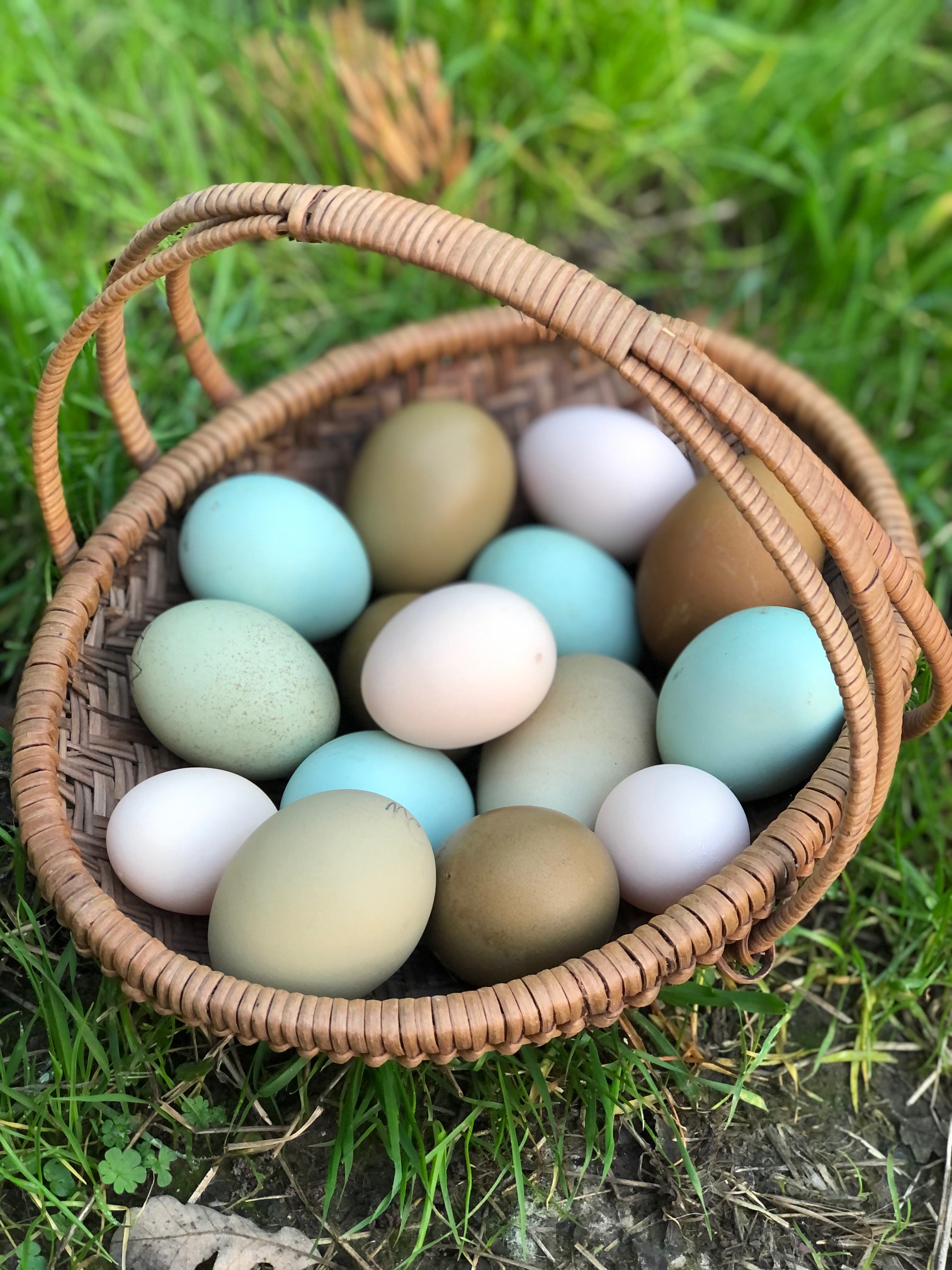
Shown here is a basket of lovely shades that I think are a meeting of the land and sea. The greens remind me of our forests, the blues our ocean and the gentle creams are the clouds above at sunset.
.
Dark greens: Moss Eggers
Light greens: Sage Eggers
Blues: Azure Eggers
Creams: Double Silver Laced Barnevelders.
Basket: Franchesca’s Easter Basket from when she was a wee lass!
.
What do you see in these blends of color?
#alchemistfarm #AlchemistFarmFridayFact
#learnsomethingnew
#chickenhatchery

alchemist_farmHow An Eggshell is Formed Inside Of A Chicken
read more

Chickens in our Everyday Language

💫Our Language💫
.
Some may think that a chickens behavior is simplistic and nothing like her own. Step back for a minute and look at all of the interesting phrases we have in our English language derived from a chickens behavior and from our interactions with them.
💫
We don’t count our chickens before they are hatched, we certainly don’t want to put all of her eggs in one basket. We like to hatch out ideas, we can be cocky or we can chicken out, if we are worried we find ourselves walking on eggshells. Feeling frazzled? Perhaps you are running around like a chicken with your head cut off! If we are feeling stifled we want a chance to spread our wings and we definitely don’t like being cooped up!
💫
Perhaps we are far similar than we realize.😉
💫
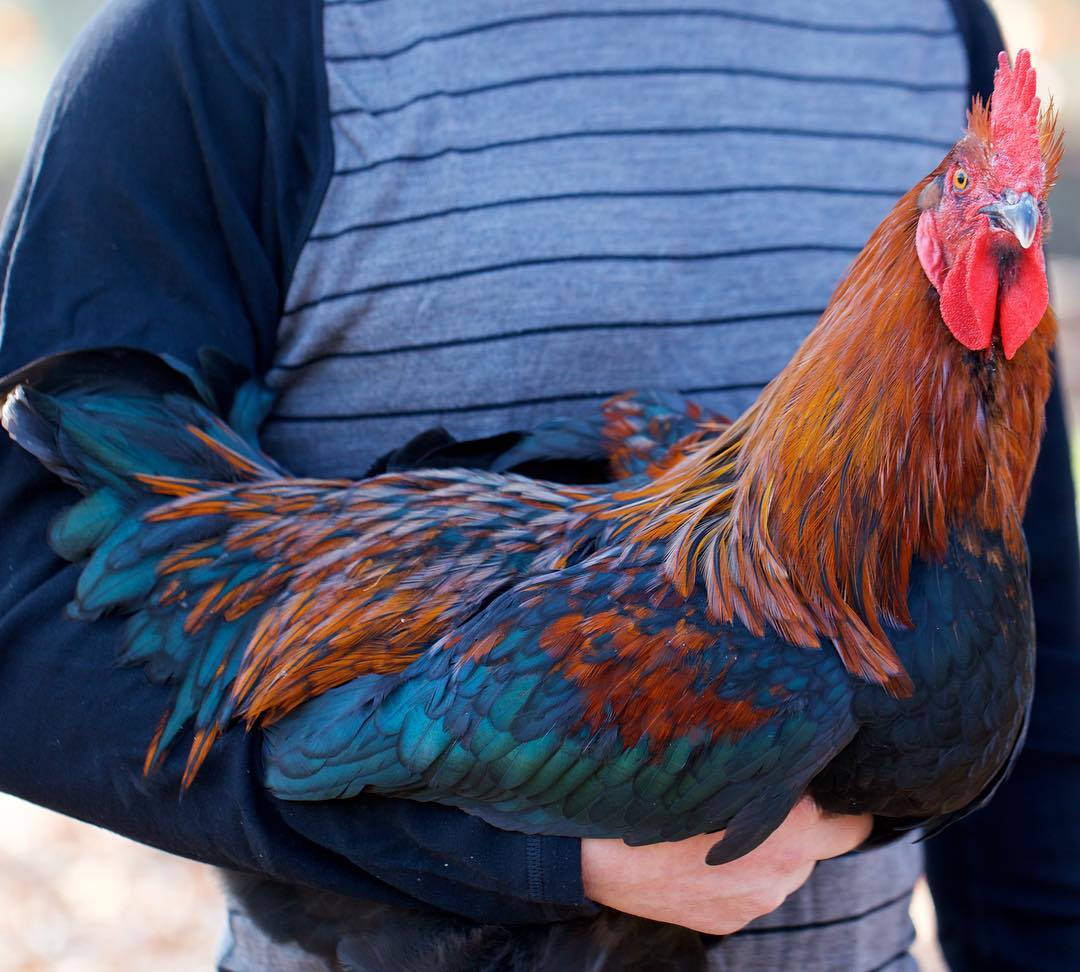
Pictured here is the gorgeous feathering of one of our French Black Copper Marans Roosters. Presales for this breed and many others are open on our website for 2023!
alchemist_farmChickens in our Everyday Language
read more